Three projects led by UNCG biology’s Dr. Zhenquan Jia, Dr. Sally Koerner, and Dr. Kimberly Komatsu play a major role in new USDA National Institute of Food and Agriculture (NIFA) research investments into sustainable agroecosystems and into the relationships between food and human health.
On July 24, 2024, NIFA announced an $8 million investment into sustainable agroecosystems in the form of 13 funded projects and a nearly $7 million investment into investigating the relationships between food and human health in the form of 14 funded projects.
One of the UNCG projects, led by Jia, explores the bioactive components in Hawaiian māmaki tea. Māmaki, particularly the species Pipturus albidus, has been a part of traditional Hawaiian medicine for centuries, however the mechanisms behind its benefits remain unclear.

With $300,000 in NIFA funding, Jia will investigate mamaki’s previously documented potential anti-inflammatory capabilities. “We will start by identifying and purifying mamaki’s bioactive compounds and characterizing the mechanisms by which they create anti-inflammatory effects in human aortic endothelial cells,” he said.
Jia’s multidisciplinary team will then assess whether these compounds are able to treat or improve atherosclerosis – a chronic inflammatory disease characterized by the thickening or hardening of the arteries due to the buildup of plaque – in mouse models.
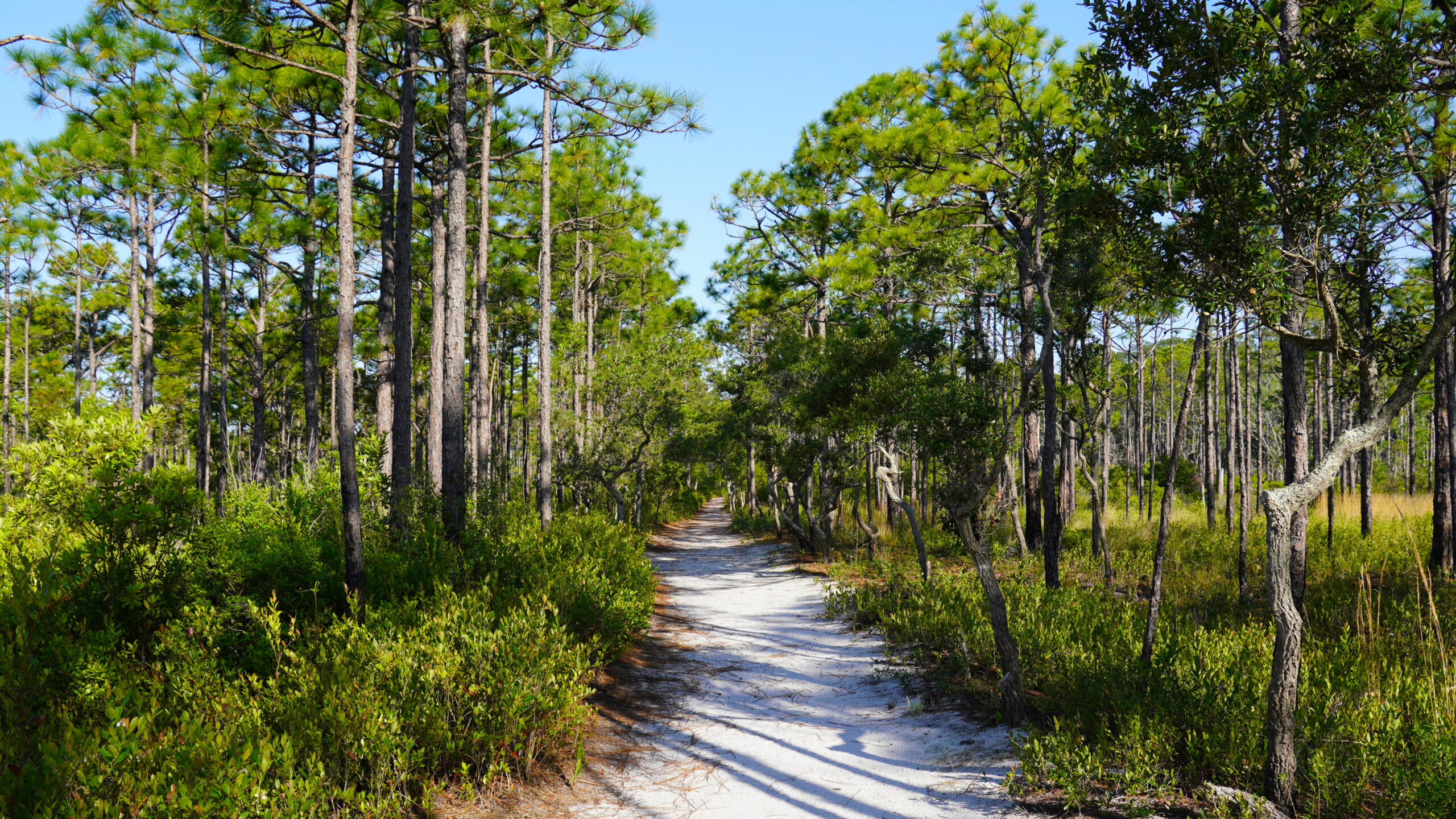
Another project, led by Koerner with Komatsu serving as co-PI, will investigate the role of two key microbial symbioses in promoting nutrient availability in longleaf pine savannas. With $300,000 in NIFA funding for their project, the associate professors aim to improve understanding of the rhizobial bacteria that help longleaf pine savanna legumes fix nitrogen and the mycorrhizal fungi that help many longleaf pine savanna plants uptake phosphorus.
“Today, less than four percent of the longleaf pine savannas that once dominated the Southeast United States survive, so methods of restoring and managing these ecosystems are critical,” explains Koerner. She and Komatsu hope their findings will help improve management strategies for remaining longleaf pine ecosystems.
Separately, Komatsu was awarded another $300,000 by NIFA to study the role of legume-rhizobia symbiosis in the soil health of grazing lands.
“Grazing lands are vital to food security and economic wellbeing, while also contributing significant environmental benefits,” says Komatsu. “It is critical that our pasture management practices promote both cattle production and environmental sustainability.”
Komatsu seeks to better understand legume diversity and the role of that diversity in grazing land functions, with the aim of improving both their environmental benefits and agricultural productivity.
Composite image at top depicts Jia in the lab, Komatsu in the field, and Koerner in the greenhouse with student researchers.
Article by Sangeetha Shivaji and Nikkola Brown