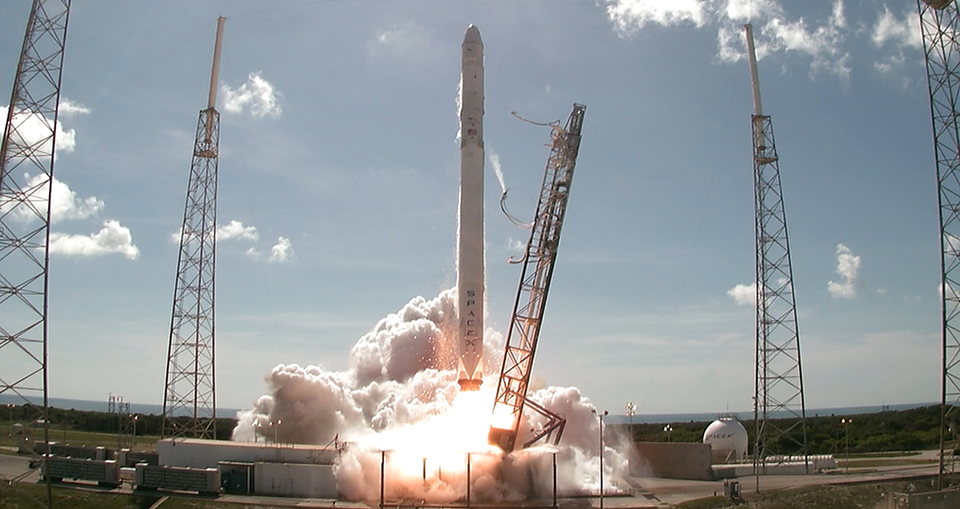
Update 05/5/17: After weather delays, SpaceX CRS-11 launched on Saturday, June 3, 2017.
Repost from UNCGNOW
A UNCG-led spaceflight experiment – that may ultimately help humans grow plants on Mars and the Moon – will launch from NASA’s Kennedy Space Center on Thursday, June 1, at 5:55 p.m. on SpaceX CRS-11.
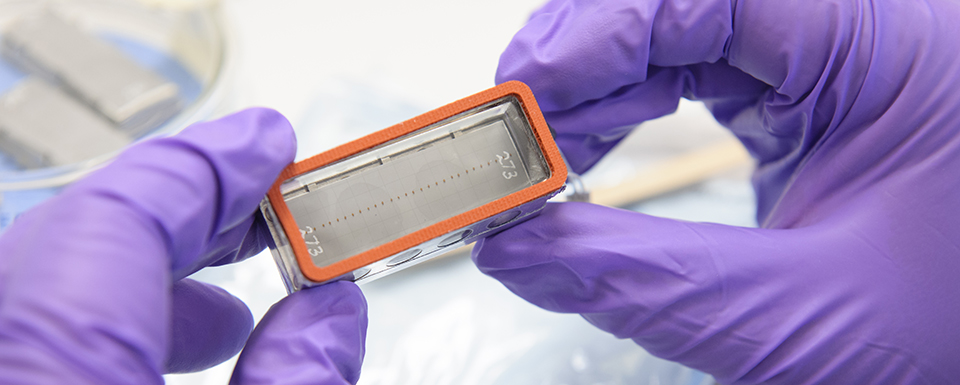
![Seedling Growth 3 experimental patch—designed for our current experiment. [Photo provided by John Kiss]](https://research.uncg.edu/wp-content/uploads/2017/05/6.SG3-Patch-1.jpg)
“Plants are integral as we plan for long-term manned space missions and the development of colonies on the Moon and Mars – bringing all food and supplies necessary for a long-term mission or for colonization is not tenable,” said Kiss, who also serves as a professor of biology. “To make human habitation of other worlds a possibility, we need to be able to grow crops in greenhouses in space. If astronauts can grow their own food, then we have created a new paradigm for space travel and habitation.”
Additionally, the results may help improve crop production on Earth, particularly in harsh environments.
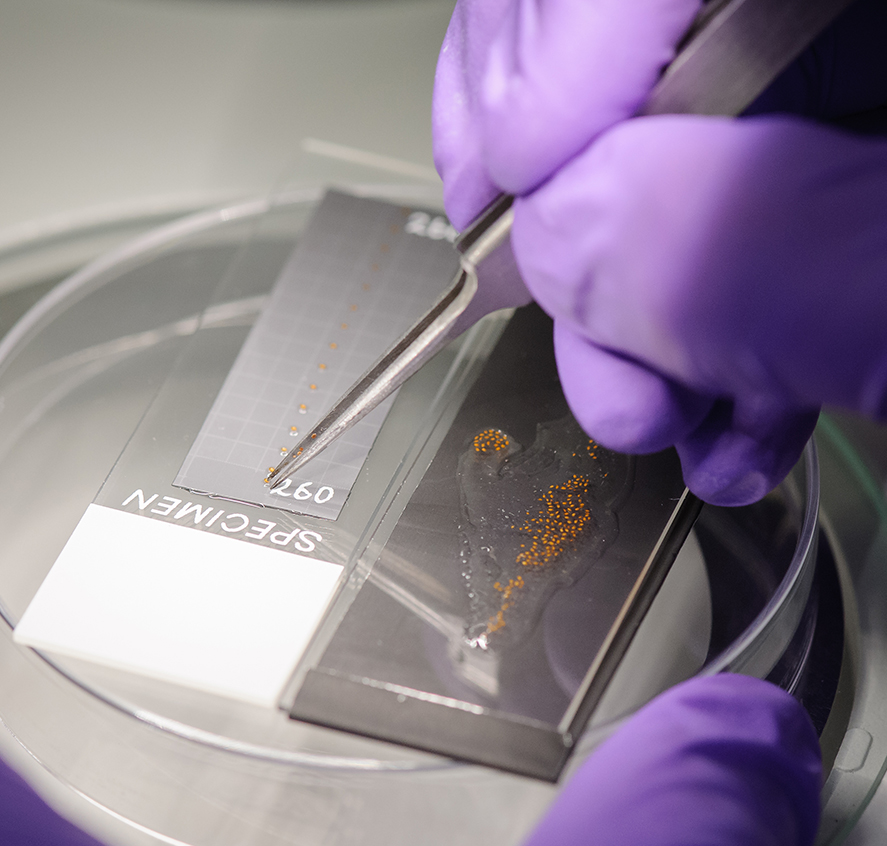
![Young seedlings from a ground test for the experiment. [Photo provided by John Kiss]](https://research.uncg.edu/wp-content/uploads/2017/05/cropped2a.Young-plants-ground-test-1.jpg)
The project, funded by a grant from NASA, will continue until 2019 in order to allow for analysis of the extensive amount of data generated from the spaceflight experiment.
Kiss has worked closely with NASA for three decades, serving as the principal investigator on seven spaceflight experiments prior to Seedling Growth-3. In 2014, he received the NASA Outstanding Public Leadership Medal “for exceptional contributions in spaceflight research in the fundamental biology of plants in support of NASA’s exploration mission.”
To view a live stream of the launch on Thursday, visit spaceflightnow.com. For timely updates on the experiment, follow Kiss on Twitter (@JZK60).
Story by Alyssa Bedrosian, University Communications