From the Spring 2018 issue of UNCG Research magazine
One undeniable vestige of American slavery is that 4 million people remain nameless, lost to a brutal era that stole everything, including their identities.
Over the past 25 years, a team at UNC Greensboro has been chipping away at this forgotten history, working painstakingly to uncover and publish the names of those held in bondage. Thanks to this effort, UNCG now houses one of the largest databases of slave names on the internet.
With references to more than 170,000 people, the Digital Library of American Slavery still represents just the tip of the iceberg. But it’s making a difference to 60,000 users each month, including African American genealogists, academic researchers, and best-selling authors.
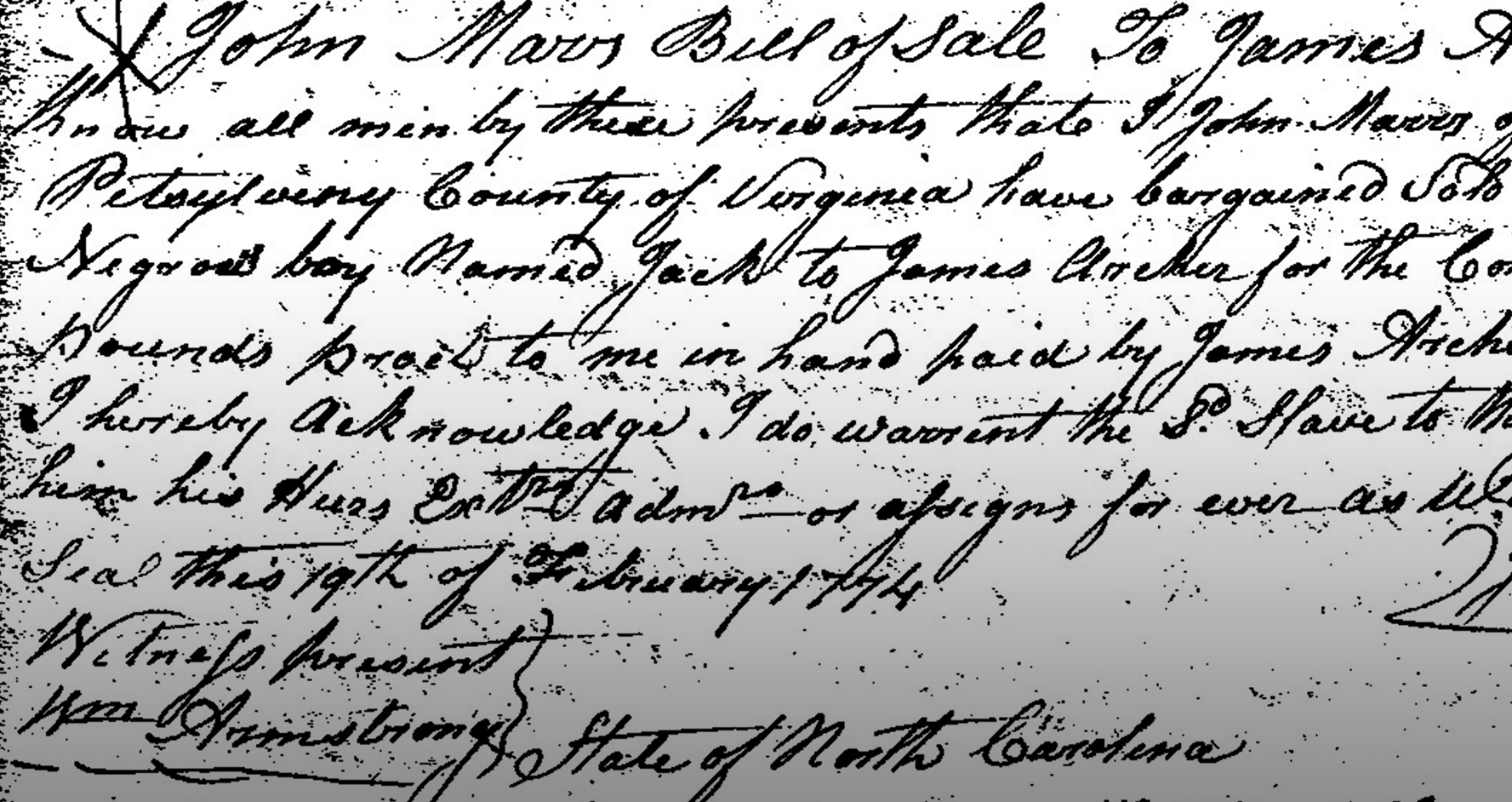
The seed for the project took root decades ago, with the ground-breaking work of Dr. Loren Schweninger, professor emeritus of history at UNCG. Schweninger, then a protégé of renowned historian Dr. John Hope Franklin, received a grant to study court documents related to slavery, such as petitions for freedom, wills, and bills of sale.
Between 1991 and 1994, Schweninger traveled to 160 county courthouses and 14 state archives in Southern states. On the road nearly every other day, he brought reams of photocopied documents back to his office in the McIver Building. “We had documents piled up to the windows, and my wife Patricia put them in order,” Schweninger recalls.
He and two assistant editors spent the next 15 years summarizing the data, which was eventually transferred to 168 reels of microfilm. Over the years, Schweninger received $1.47 million in grants and eventually shared a prestigious Lincoln Prize for his work. But as he neared retirement, he wondered what would become of the information – and how it could be preserved and used by future generations.