
NIH Controlled-Access Data Security Best Practices Community Sessions
NIH will host a community webinar on best practices for controlled-access data under the new Forms-I requirements.
NIH will host a community webinar on best practices for controlled-access data under the new Forms-I requirements.
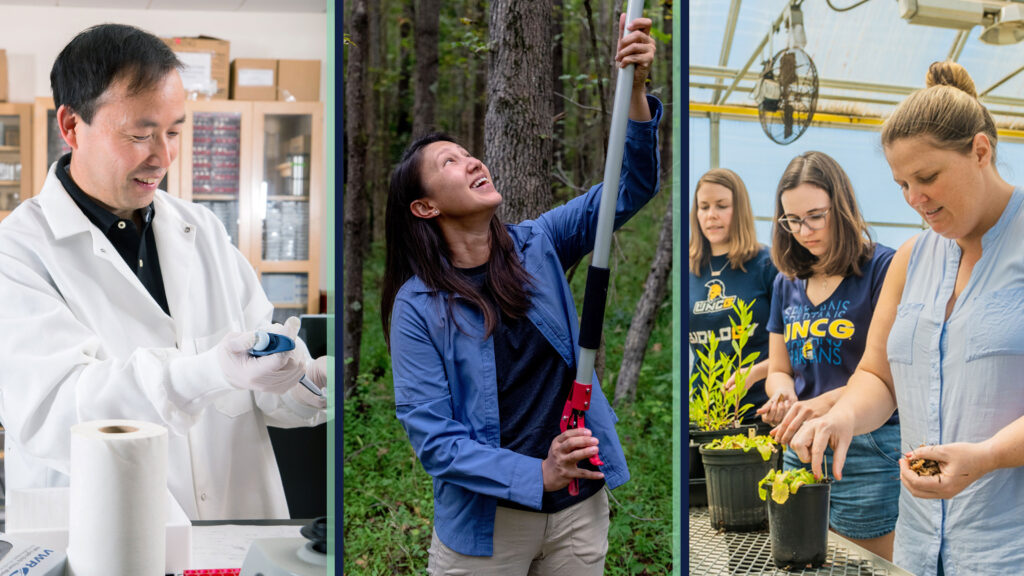
If you’re new to NIH or NIH fellowships and would like to learn more about how to apply for their fellowship programs, attend their NIH fellowship introduction webinar on February 11 from 10 to 11:30am.

Beginning January 25, 2025, several important changes to the NIH fellowship application will go into effect. These changes, and the rationale behind them, were discussed in a recent NIH webinar.
Adapted from the spring 2017 UNCG Research Magazine It’s no secret that controlling cholesterol levels helps ward off cardiovascular disease, particularly the build-up of plaque inside arteries. But you might not know it’s equally important to control inflammation in blood vessels. Identifying the best ways to do so can have significant… Continue reading…

repost from UNCG NOW Only 30 percent of individuals using natural products, such as dietary supplements or herbal remedies, tell their doctors, yet when those products are combined with conventional medicine, they can trigger potentially detrimental interactions. Over the next five years, chemists from the University of North Carolina at Greensboro will… Continue reading…

Dr. Nadja Cech received her first National Institutes of Health R01 in December 2012. Thanks to the prestigious $1.25 million grant, she is pursuing an uncommon approach to one of the most pressing medical issues of our time. Cech’s passion for research and engagement translates into an ever-widening circle of… Continue reading…
Repost from Campus Weekly Dr. Joseph Lee Beverly (Nutrition) received new funding from the National Institutes of Health (NIH) for the project “Hypoglycemia-induced changes in the VMH glucose metabolome and HAAF.” The risk of defective glucose counterregulation is greatly increased following an episode of hypoglycemia, with a blunted sympathoadrenal response… Continue reading…
Repost from Campus Weekly Dr. Gregory Raner (Chemistry and Biochemistry) received new funding from the National Institutes of Health (NIH) for the project “Antioxidant activities of freeze dried acai berry (Euterpe Oleracea) extracts.” Cellular oxidative stress is a major cause of illness and death worldwide, and many are turning to… Continue reading…
Repost from Campus Weekly Dr. Olav Rueppell (Biology) received new funding from the NIH, National Institute on Aging for the project “Biodemography and Genomics of Aging Trajectories and Plasticity in a Social Model.” He will use the comparative honey bee model that offers many experimental opportunities to study epigenetic influences… Continue reading…
Repost from Campus Weekly Dr. William Mills-Koonce (Human Development and Family Studies) received new funding from the National Institutes of Health (NIH) for the project “Integrating Demography and Biosocial Stress Models of LGBTI Family Formation.” Although there is high interest in the demography and welfare of families headed by lesbian… Continue reading…